Au Gratin vs Scalloped Potatoes: Understanding the Cheesy Difference
Few dishes evoke warmth, comfort, and celebration quite like a bubbling casserole of potatoes baked to golden perfection. Among the pantheon of beloved potato preparations, au gratin potatoes and scalloped potatoes stand out as perennial favorites, often gracing holiday tables and family gatherings. While both offer layers of tender potatoes bathed in a rich, creamy sauce, they possess distinct characteristics that set them apart. Understanding these differences isn't just a culinary trivia point; it's the key to mastering two truly exceptional side dishes, particularly if you're aiming for the ultimate cheesy indulgence of classic
au gratin potatoes.
The Irresistible Allure of Au Gratin Potatoes
Let's begin with the star of our show:
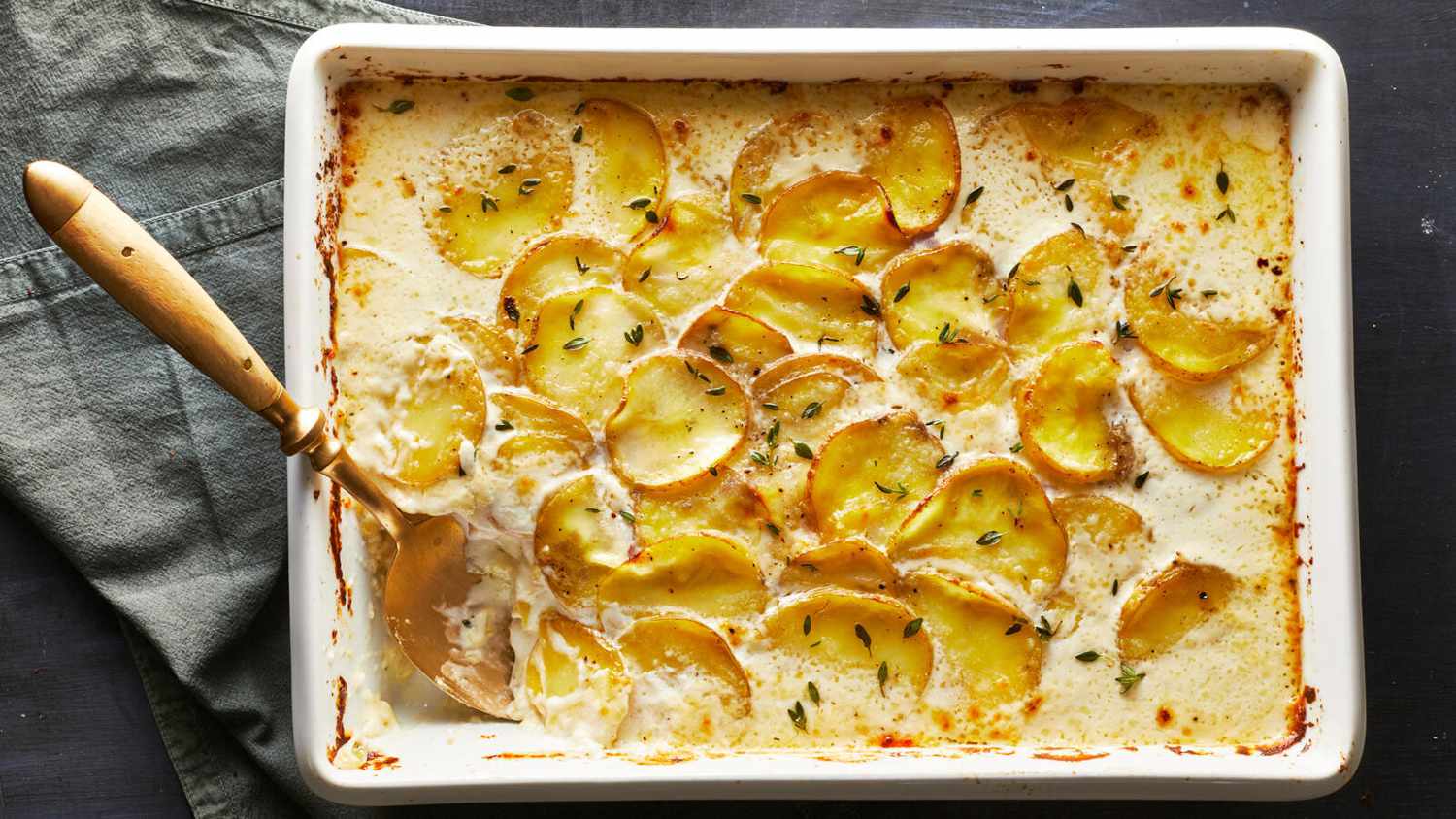
au gratin potatoes. This classic French dish, whose name literally translates to "by grating" or "with a crust," is defined by its meticulous layers, luxurious creamy sauce, and, most notably, its generous incorporation of cheese. Imagine thinly sliced potatoes, often cut with precision using a mandoline, nestled in a decadent, savory cream sauce, all punctuated by copious amounts of cheese between layers and forming a golden, bubbly crust on top.
What makes
au gratin potatoes so utterly captivating? It's a symphony of textures and flavors. The potatoes, cooked until fork-tender, soak up the rich, often garlic-infused cream, while the cheese – typically a blend of robust varieties like Gruyère, sharp cheddar, or Parmesan – melts into every crevice, adding a salty, umami depth. The crowning glory is that signature gratinéed top: a crispy, golden-brown crust, usually a mix of melted cheese and sometimes breadcrumbs, providing a delightful textural contrast to the soft interior.
Many fondly remember
au gratin potatoes as a holiday staple, a dish that transcends mere sustenance to become a vessel for cherished memories. For some, it’s "Dad’s famous au gratin potatoes," a recipe passed down through generations, bringing with it a wave of nostalgia and love with every cheesy bite. Whether served alongside a festive Christmas ham, a succulent roast chicken, or a delicate maple-glazed salmon, these creamy, cheesy potatoes elevate any meal from ordinary to extraordinary, often becoming the star side dish everyone loads up on. They are also hearty enough to stand alone as a delightful vegetarian main course, proving their versatility. If you're looking to recreate that classic holiday magic, you'll want to
Master Creamy & Cheesy Au Gratin Potatoes for Holiday Meals.
Scalloped Potatoes: A Simpler, Yet Equally Comforting Classic
In contrast to their cheesy cousin, scalloped potatoes offer a different, yet equally comforting, experience. While also featuring layers of thinly sliced potatoes baked in a creamy liquid, the traditional scalloped potato recipe takes a more understated approach.
The primary distinguishing feature of scalloped potatoes lies in their sauce and the potato slice thickness. Typically, scalloped potatoes feature thicker slices of potatoes, often cut into rounds or "scallops," hence the name. The sauce is generally a simpler blend of milk or light cream, often seasoned with salt, pepper, onion, and perhaps a touch of garlic or bay leaf. Crucially, *traditional* scalloped potatoes do not include cheese. This allows the natural flavor and creamy texture of the potatoes and the dairy-based sauce to shine through, creating a dish that is wonderfully moist, tender, and subtly flavored. While modern interpretations might incorporate a touch of cheese, the essence of scalloped potatoes remains its pure, creamy, potato-forward profile without the bold, cheesy declaration of au gratin.
Like au gratin, scalloped potatoes are a beloved side, often found accompanying traditional meat dishes. Their mild, soothing flavor makes them a perfect complement to richer main courses, offering a gentle creaminess that balances a robust meal.
The "Cheesy Difference" and More: Au Gratin vs. Scalloped Side-by-Side
When placed side-by-side, the distinctions between
au gratin potatoes and scalloped potatoes become clear, primarily revolving around three key elements: potato thickness, sauce composition, and the presence of a gratinéed topping.
1.
Potato Slice Thickness:
*
Au Gratin: Features very thin, uniform slices, often shaved with a mandoline. This allows for quicker cooking and a more delicate texture, perfect for absorbing the rich cheese sauce and creating numerous layers.
*
Scalloped: Traditionally uses slightly thicker potato slices, which contribute to a more substantial, rustic texture and longer baking time.
2.
The Sauce and Cheese Factor:
*
Au Gratin: This is where the "cheesy difference" truly comes into play. The sauce for
au gratin potatoes is inherently rich and cheese-laden. It's often a béchamel or cream-based sauce that is generously fortified with cheese, sometimes even multiple varieties, which melts into the layers and forms part of the crispy topping.
*
Scalloped: The sauce for traditional scalloped potatoes is a simpler milk or light cream mixture, typically seasoned but *without* cheese. The creaminess comes from the dairy and the starch released by the potatoes, resulting in a more subtle, dairy-forward flavor.
3.
The Topping and Texture:
*
Au Gratin: Characterized by its distinctive "gratin" crust. This golden, often bubbly and crispy topping is usually made from melted cheese (sometimes with breadcrumbs) that has browned beautifully under heat. It provides a crucial textural contrast to the soft interior.
*
Scalloped: While it develops a golden-brown surface during baking, it typically lacks the distinct, crispy, cheesy crust of au gratin. Its surface is generally softer, reflecting the creamy texture throughout.
In essence, if you're seeking bold, savory, and undeniably cheesy potatoes with a satisfying crispy crust, you're craving
au gratin potatoes. If a pure, creamy, potato-centric dish with a milder dairy sauce is what you desire, scalloped potatoes will hit the spot.
Tips for Achieving Perfection and Serving Suggestions
Whether you opt for the cheesy extravagance of au gratin or the creamy simplicity of scalloped, a few universal tips can elevate your potato bake to culinary perfection:
*
Choose Your Potatoes Wisely: Starchy potatoes like Russets are excellent for absorbing creamy sauces and yielding a fluffy texture. Waxy potatoes like Yukon Golds hold their shape better and offer a creamier, firmer bite. Experiment to find your preference!
*
Slice with Precision: Uniformity is key for even cooking. A mandoline is your best friend for achieving consistently thin slices, especially for
au gratin potatoes. This ensures every layer cooks perfectly and contributes to a beautiful presentation.
*
Build Flavor into Your Sauce: Don't just pour plain cream! Infuse your milk or cream with aromatics like sliced garlic, onion, a bay leaf, or a pinch of nutmeg. Strain before use for a smooth sauce. For au gratin, choose high-quality cheeses that melt well and offer complex flavors. Using a blend of 2-3 cheeses (like Gruyère, sharp cheddar, and Parmesan) can create incredible depth.
*
Layer Smart: Don't overload layers. Distribute potatoes, sauce, and cheese (for au gratin) evenly and thinly for the best results. This allows the flavors to meld and the potatoes to cook through without being soggy or dry.
*
Bake to Golden Perfection: Start by baking covered to steam the potatoes and ensure they become tender. Finish uncovered to allow the topping to brown and crisp up. Resist the urge to peek too often!
*
Rest is Best: After baking, let the casserole rest for 10-15 minutes before serving. This allows the sauce to set slightly, preventing it from being too runny and making serving easier.
*
Storage and Reheating: Leftover potatoes au gratin or scalloped potatoes can be stored in a shallow, airtight container in the refrigerator for up to 3 days. Reheat, covered with foil, in a preheated 375°F (190°C) oven until heated through and bubbly. However, due to their dairy-rich nature, these dishes generally do not freeze well, as the sauce can separate and become grainy upon thawing.
These potato dishes are incredibly versatile. They pair beautifully with a wide array of main courses, from holiday roasts like turkey and ham to a simple weeknight roast chicken or a pan-seared steak. They also make a hearty, satisfying vegetarian main. For a quicker path to this deliciousness, explore options to make your
Easy Au Gratin Potatoes: Get Creamy, Cheesy Perfection Fast.
Conclusion
Whether you're drawn to the decadent, cheesy embrace of
au gratin potatoes with its signature crispy crust, or the classic, creamy comfort of traditional scalloped potatoes, both dishes offer a unique and satisfying culinary experience. While often confused, their distinct characteristics – primarily slice thickness, sauce composition, and the crucial presence of cheese – allow each to shine in its own right. Understanding these nuances empowers home cooks to choose and create the perfect potato side for any occasion, ensuring that every bite is filled with intentional flavor and comforting delight. So, next time you're planning a special meal, you'll know exactly which delicious potato bake to prepare.